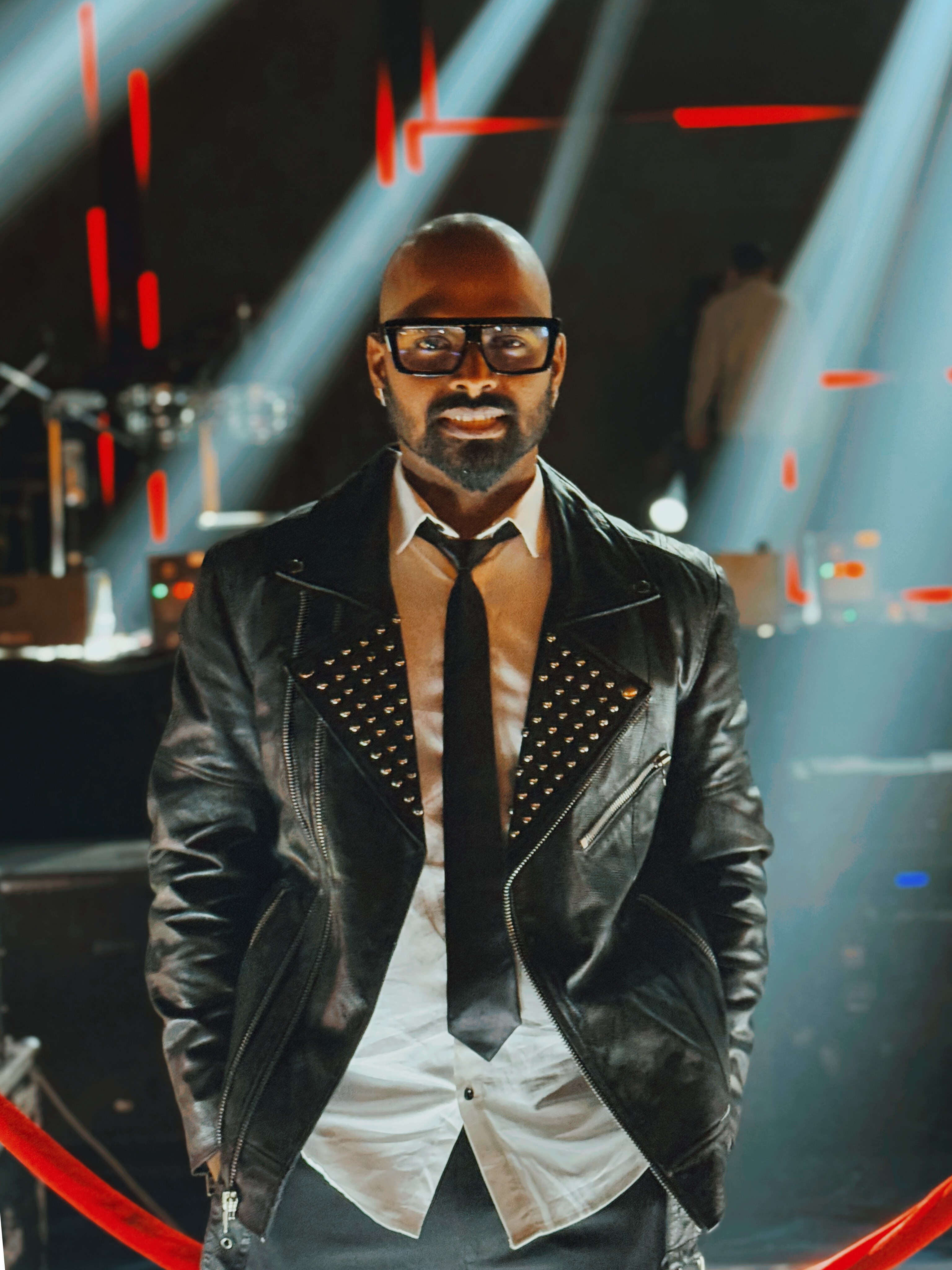
A deep dive into the audio architecture, sub-bass tuning, and 3D visual servers that power Dj G-Spark's live stadium concerts.
When you stand in front of 35,000 people, sound isn't just something you hear with your ears — it is a physical force that moves through bone and muscle. For the 2026 World Tour, our sound engineering team spent five months redesigning our front-of-house subwoofer array from the ground up.
The Science of Physical Resonance
We engineered a cardioid directional bass array producing over 100,000 watts of continuous acoustic power focused precisely into the audience floor, eliminating backstage bleed and giving every kick drum an explosive, punchy transient response.
Alongside the physical audio hardware, our lighting designer mapped 32 multi-axis laser fixtures to a real-time OSC frequency bridge. When a filter sweeps or a build-up rises, the laser vectors physically compress and expand with the soundwave.
'A great DJ set is not just track selection. It is the conscious manipulation of physical space, time, and human emotion.'
Every venue requires hours of acoustic room calibration. What works in a concrete dome in Mumbai will behave completely differently in an open-air stadium in Delhi. That relentless attention to sonic detail is what defines the Dj G-Spark experience.
Real-time FOH & Soundstage Specifications

- Zero Latency Telemetry: Lasers and visual shaders react within 4ms of synthesizer filter modulations.
- Tactile Control: Live sets feature dynamic analog modulations rather than rigid pre-rendered playback.
- Immersive Audio: Ambisonic fill speakers wrap the entire arena in subtle spatial reverberance.

Dj G-Spark
FOUNDER & HEADLINERWorld-touring electronic music artist, producer, and audio architectural designer. Signed to global festival rosters and creator of the 2026 World Tour experience.
ARTICLE RATINGS & REVIEWS
Verified sound engineers, producers, and festival fans review this dispatch.